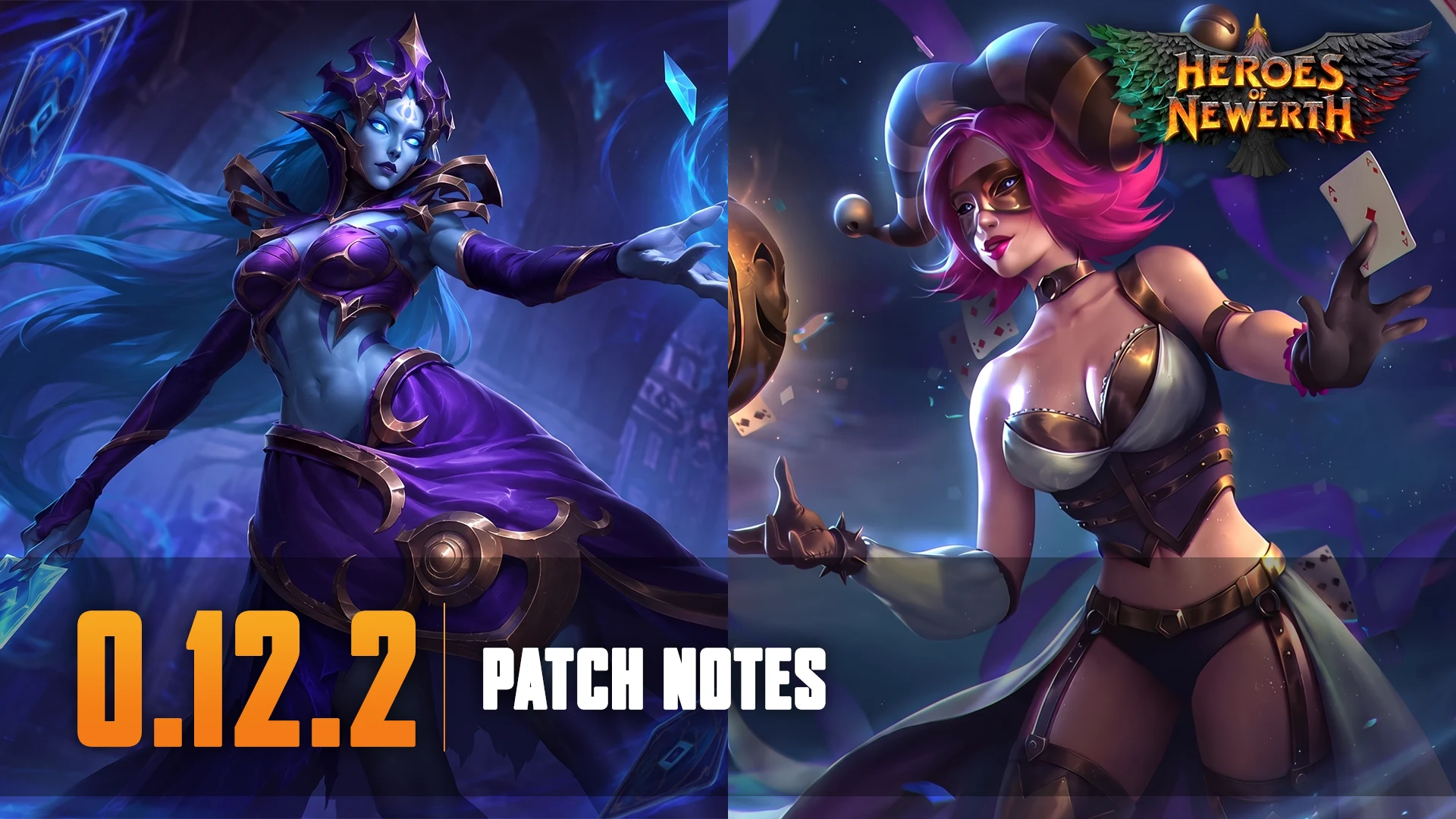
Patch 0.12.2 Notes
Tarot reads the cards for the Legion, temporal antialiasing arrives with a major render overhaul, and the client gets its deepest stability pass yet
July 30, 2026
Highlights
- A new hero joins the Legion: Tarot. A Ranged Agility hard carry who ricochets shots through a crowd, marks a single hero to hunt with Far Scry, chains two enemies together with Bound by Fate, and scales terrifyingly on the back of Luck of the Draw.
- Harlequin Tarot arrives alongside her - an Epic jester's-motley reimagining with its own model, animations, effects, sounds, voice set and icons.
- Temporal antialiasing is here, and it is the new default. TAA replaces the old jagged edges with a stable image, and a rewritten D3D11 render path came with it - frame rates up 70% on low-end hardware and more than 2.5x on mid-range and above.
- Jade vouchers. Buy Jade as a code instead of straight into an account, then gift it or pass it on.
- Cooldown reduction now works on charge-based abilities. Nine abilities and two items were rebuilt onto proper charge refresh, so Grimoire and friends finally speed up their recharge.
- 51 separate crash fixes. A full sweep across rendering, particles, the interface, in-match entities, file handling and the service connections.
- The classic VRZO Thai announcer returns as a Legendary pack, and five existing announcers got their missing team-streak lines back.
New Hero - Tarot
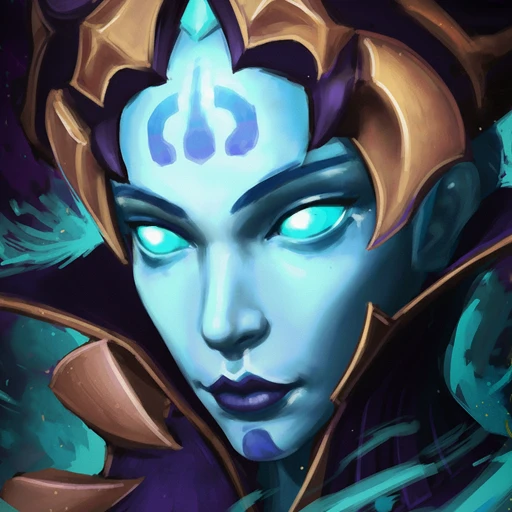
Tarot
Base Stats
For centuries the Ageless Oracle has been reborn at the peak of conflict to speak for the gods and never to interfere. Reborn after the Beast Bone Years as Tarot, a fortune teller travelling with her caravan through the ravaged Forests of Caldavar, she foresaw the fall of Maliken Grimm and the opening of The Scar and was powerless to stop either. Now she sees the World Tree burn - and divination is no longer enough. She has come to tip fate back toward life.
Mechanically she is an incredibly hard carry who scales into the late game better than almost anyone. Luck of the Draw is the crown jewel, and her other three abilities give her fight control and a real chance of winning a one-versus-two.

Ricochet (Q) - Bouncing Nuke & Slow
Fires a bolt at an enemy, dealing 75% of your Attack Damage + 60/80/100/120 Physical damage and applying a 60% tapering Movement Speed slow for 4 seconds to everything within radius of the initial target. The bolt then bounces up to 2/4/6/8 times to nearby enemies, dealing 10/20/30/40 + (6 × bounce number) Physical damage each hop. With Luck of the Draw leveled, both the initial impact and the bounces can crit.
 Empowered: Disarms and Silences every enemy caught in the initial blast for 2 seconds.
Far Scry (W) - Mark & Attack Bounce
Marks an enemy hero. While the mark holds, your attacks bounce to the marked target whenever they are within 800 units of whatever you actually hit - and if you attack the marked target directly, the bounce goes to the nearest other enemy hero instead. The mark also means the target cannot dodge your attacks, has -20/30/40/50% Armor, and is Sighted and Revealed. With Luck of the Draw leveled you gain a flat +10% Critical Chance against them.
Empowered: Your next 4 attacks against the marked target gain 165 Attack Speed.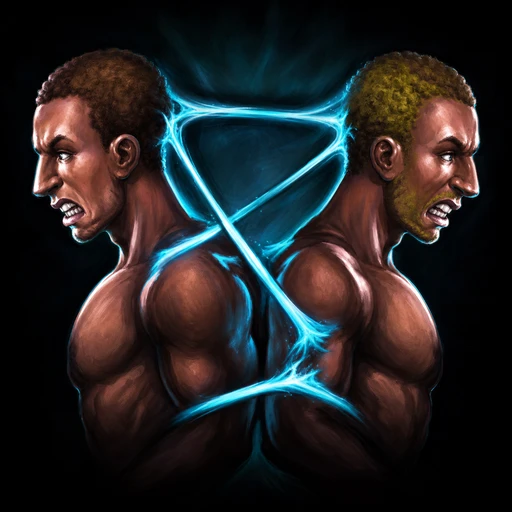
Bound by Fate (E) - Tether, Stun & Burst
Applies a 30% Movement Speed slow and binds the target to the nearest other enemy unit - heroes are prioritised - for 6 seconds, slowly dragging the two together. If the bound pair dies or is pulled more than 675 units apart, the bind snaps: both are yanked back together, Stunned for 1.25/1.5/1.75/2 seconds and dealt 80/160/240/320 Magic damage. If the partner was a non-hero unit that died, the survivor takes only 50% of the stun duration and damage.
Empowered: Binds a second pair of enemies, and Restrains everyone caught by the ability.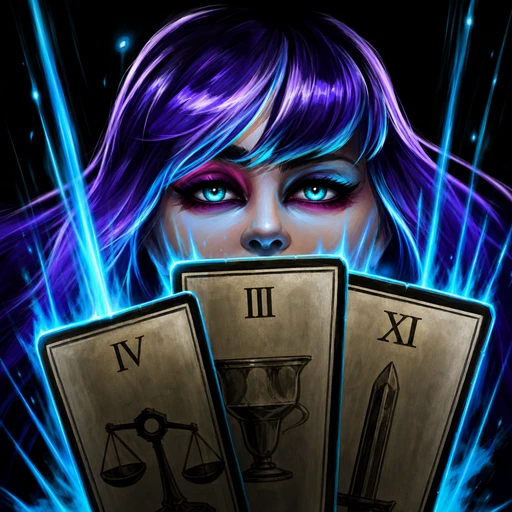
Luck of the Draw (R) - Critical Strike
A 25% chance to land a 2x / 2.8x / 3.6x Critical Hit on attack. This is what turns every other ability on her bar into a threat: Ricochet's impact and bounces can crit, and against a Far Scry target the chance rises to 35%.
Empowered: Luck of the Draw becomes activatable (100 Mana, 35s cooldown). Activating it empowers the next basic ability you cast within 6 seconds with the upgrades listed above.She arrives with an alternate avatar, Harlequin Tarot - see New Cosmetic Content below.
New Cosmetic Content
Harlequin TarotEpic Avatar600 Jade
The cards were always a performance. Harlequin Tarot leans all the way into it - the fortune teller reborn as a jester in motley, dealing fate like a card trick and enjoying it far too much.
It is an Epic avatar and it ships complete: its own model and animations, reworked effects across all four abilities - including a bespoke card treatment on Far Scry and its own take on the Bound by Fate tether - new ability and impact sounds, a full voice set, and its own ability icons.
VRZO Thai AnnouncerLegendary Announcer900 Jade
A classic returns. The Thai-language VRZO pack, one of the original HoN announcers, is back - restored to the remastered client with its original recordings intact. The full event set comes with it: first blood, the kill streaks and multi-kills all the way up to Annihilation, denies, and the victory and defeat calls.
The Store preview. It plays muted - unmute with the controls to actually hear the pack.
Graphics & Performance
Temporal antialiasing (TAA) is now the default. Antialiasing is what stops edges looking like staircases. The old approach did that by rendering extra detail every single frame and averaging it down, which costs performance. TAA gets there a cheaper way: it remembers what the previous frames looked like and blends them together, so edges come out smooth without the extra work. Trees, rope, unit silhouettes and the map's fine detail all stop fizzing as the camera moves.
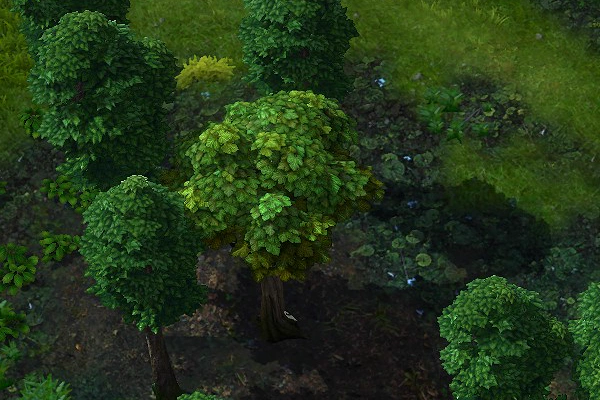
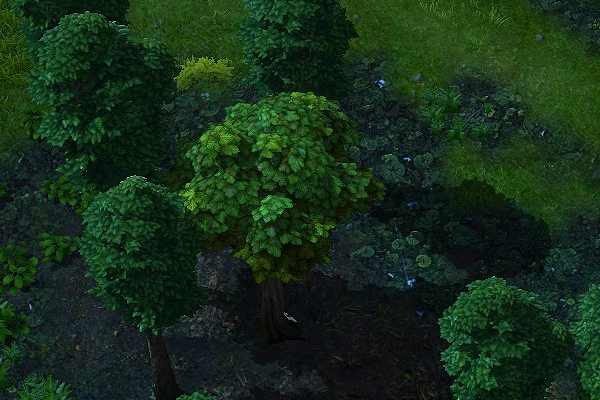
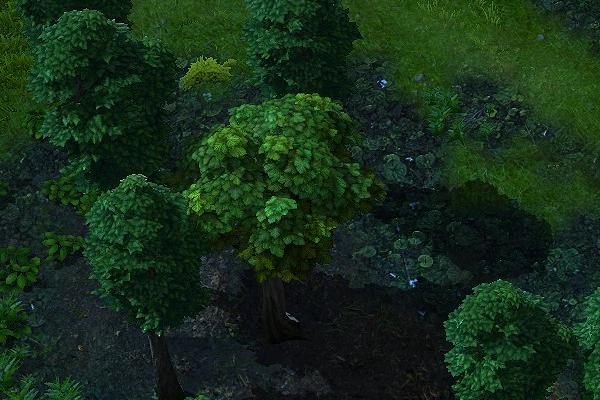
Drag the divider. Zoomed in on the treeline so the edges are actually visible - watch the leaf silhouettes against the dark ground.
For that blending to work, the game has to know how far every pixel moved since the last frame - and a few things had been quietly lying about that for years. The ground and water reported themselves as sliding around when they were standing still, and foliage bending in the wind was tracked as though it were rigid. There was also a case where a surface could get stuck rendering the wrong way for the rest of your session. All fixed here.
Why not MSAA?
MSAA is still in the video options if you prefer it. The difference is that MSAA treats every frame as a fresh start, with no memory of the last one. That cleans up a screenshot nicely, but the moment the camera moves, edges crawl and shimmer again - and you are paying extra performance every frame for it. Because TAA carries information forward between frames, it settles the image down instead of re-guessing it each time.
Render path rewrite
The same work went through the rest of the rendering pipeline. Three changes did most of the heavy lifting: the client used to sit in a tight loop burning CPU while it waited on the graphics card, and now it waits properly and gives that time back; the chain of screen-wide effects that run after the scene is drawn was rebuilt to recycle a small set of image buffers instead of allocating its way through the frame; and the TAA blend itself now reads 11 samples per pixel instead of 19, for the same result at roughly two thirds of the cost.
Measured in the same quiet scene across three hardware tiers. The high-end result reached the benchmark's 1000 FPS ceiling, so the real figure is higher still. Note that these numbers need V-Sync off - with it on, your frame rate is capped to your monitor's refresh rate regardless. Your gain will vary with scene and hardware.
Live on the high-end machine, holding 780-830 FPS - and that is while a screen recorder is running.
Other rendering fixes
Jade Vouchers
Jade can now be bought as a voucher instead of straight into an account. A voucher is just a code, so it can be handed to someone else - as a gift, or sold on - and nothing is tied to an account until whoever holds it redeems it.

Each voucher is issued as a card of its own, with artwork that changes with the denomination. The version above is the shareable one - it deliberately carries no code and no QR, so it is safe to post publicly or attach to a gift without giving the Jade away to whoever sees the screenshot first.
- 250 JadeBasic · $5.00 USD
- 1,000 JadeStandard · $20.00 USD
- 2,500 JadePlus · $50.00 USD
- 5,000 JadePremium · $100.00 USD
Reselling
Gifting
Your voucher inventory
Redeeming
Gameplay Mechanics
Cooldown reduction now applies to charges
Charge-based abilities used to regenerate their charges on a hand-rolled timer that nothing could affect. They have been rebuilt onto a proper charge refresh system, so cooldown reduction, cooldown speed and increased-cooldown effects all apply to charge regeneration - buying a Grimoire mid-refresh now shrinks the remaining time proportionally, exactly like a normal cooldown.
Affected: Chipper (Q), Gauntlet (E), Hellbringer (Q), Kinesis (W), Moraxus (E), Ophelia (E), Pandamonium (Q), Slither (W), Alchemist's Bones and Genjuro.
Vision and targeting
Hero Fixes
OpheliaGameplay
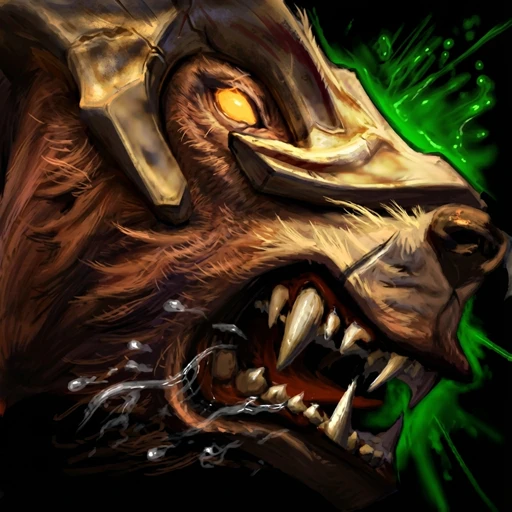
PredatorGameplay
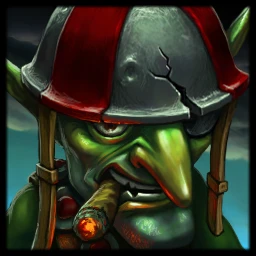
BombardierGameplay
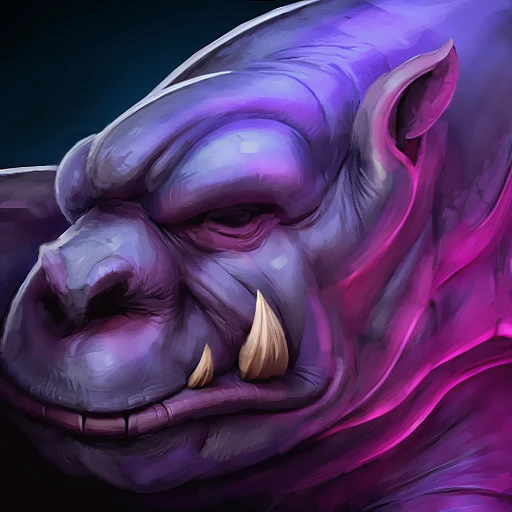
TempestGameplay
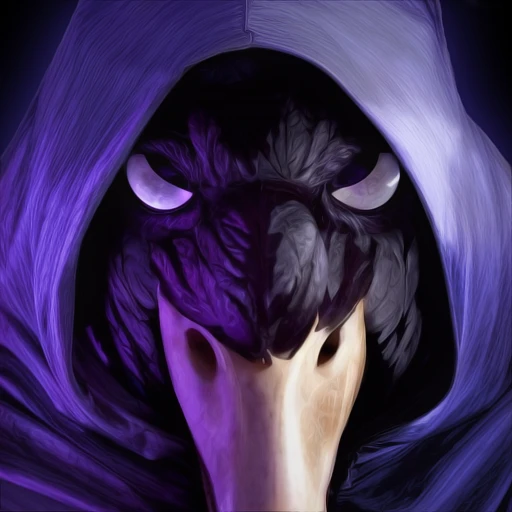
ProphetGameplay
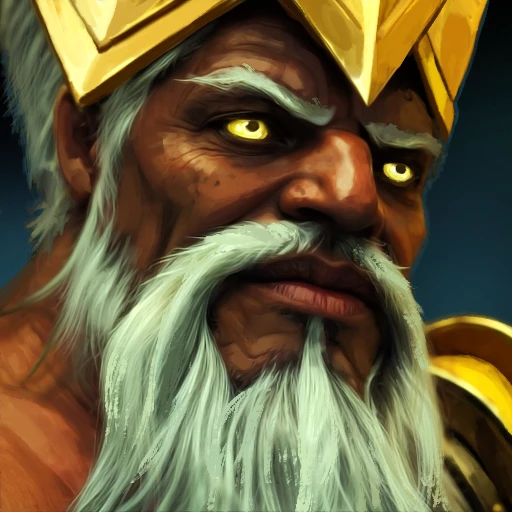
MidasGameplay
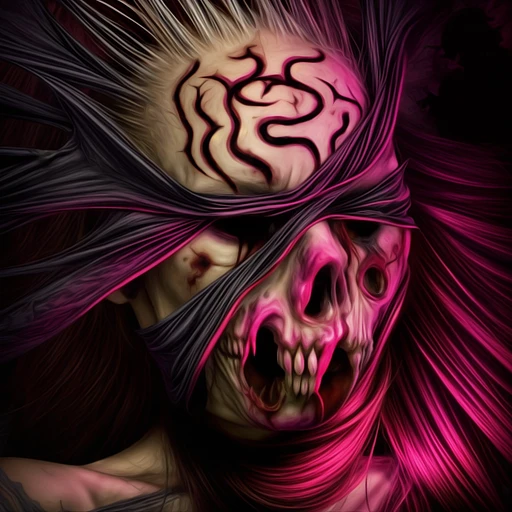
DefilerGameplay
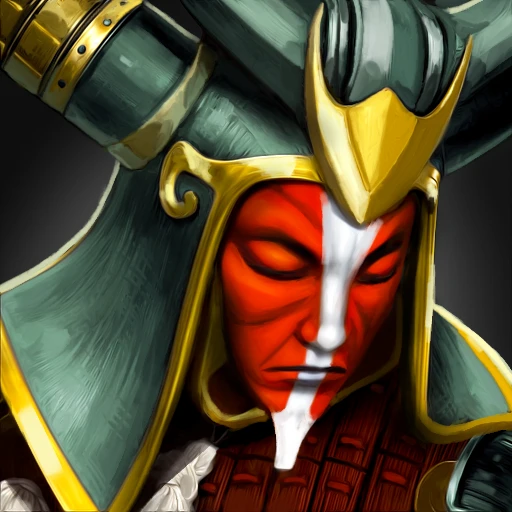
SwiftbladeVisual
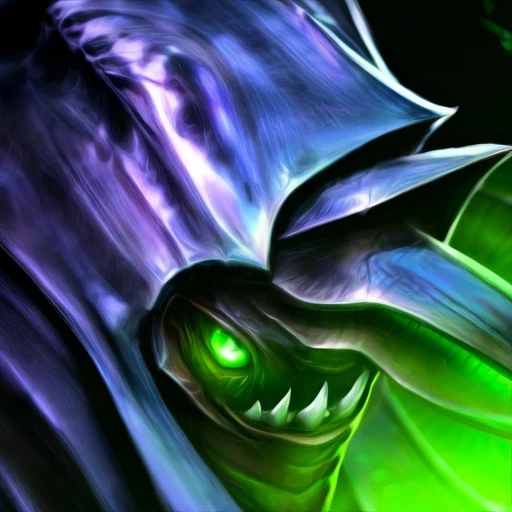
PestilenceVisual
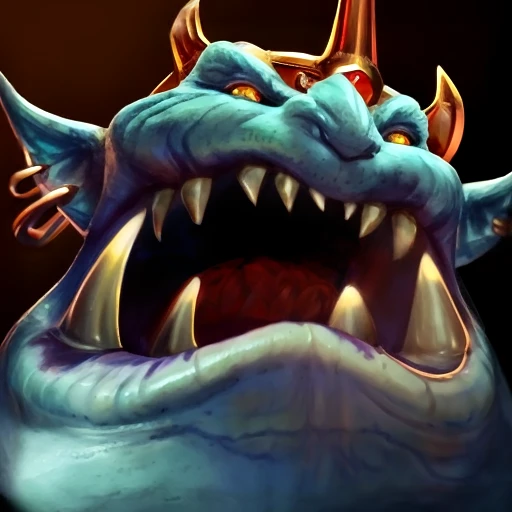
King KloutVisual
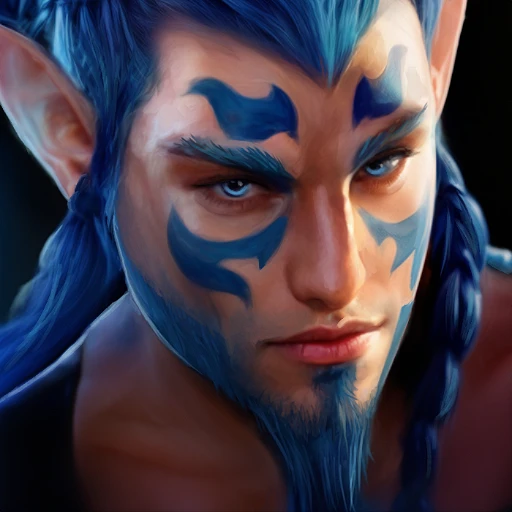
VindicatorVisual
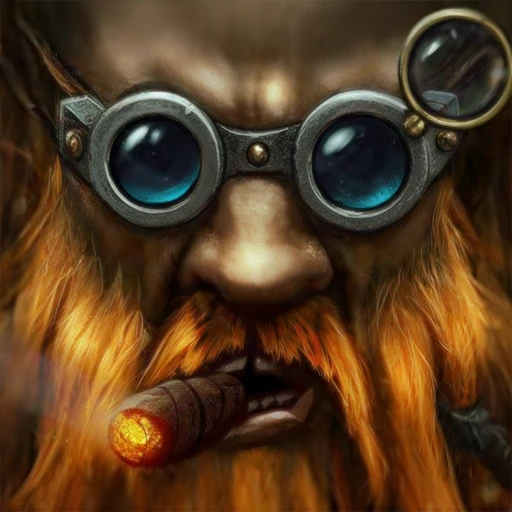
EngineerVisual
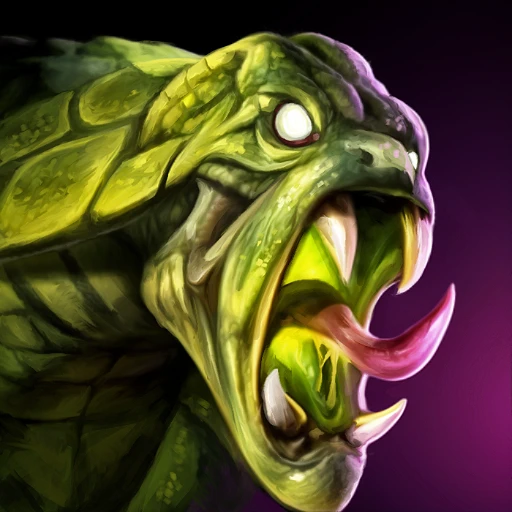
SlitherVisual
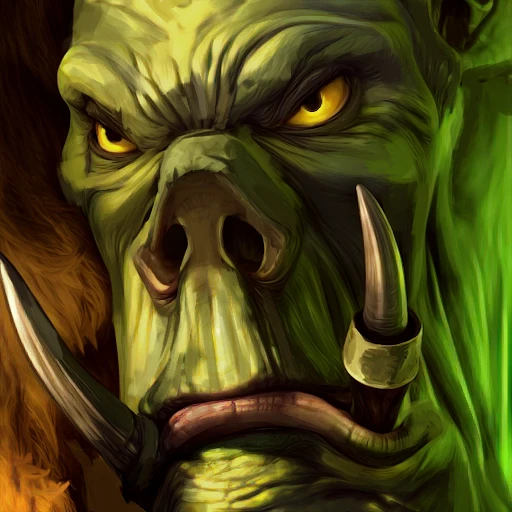
Flint BeastwoodVisual
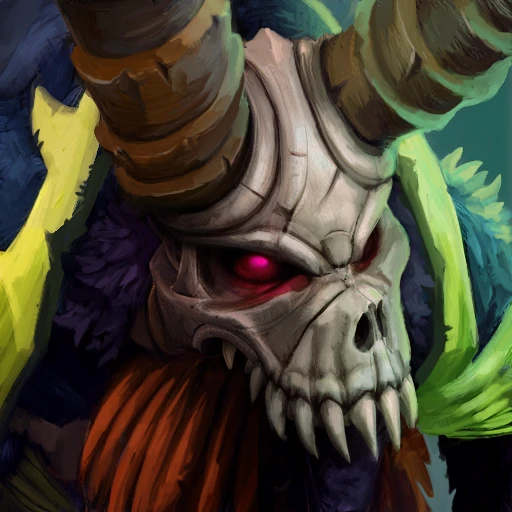
Demented ShamanVisual

MagebaneVisual
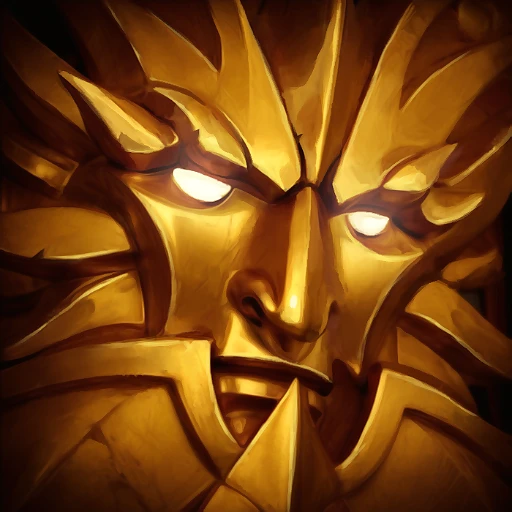
SolsticeAudio
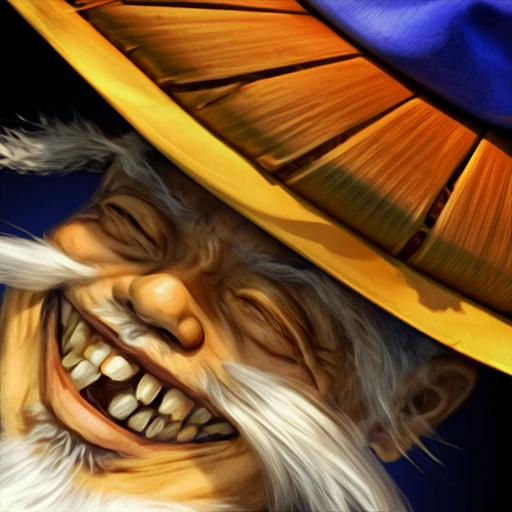
Drunken MasterAudio
Item Fixes
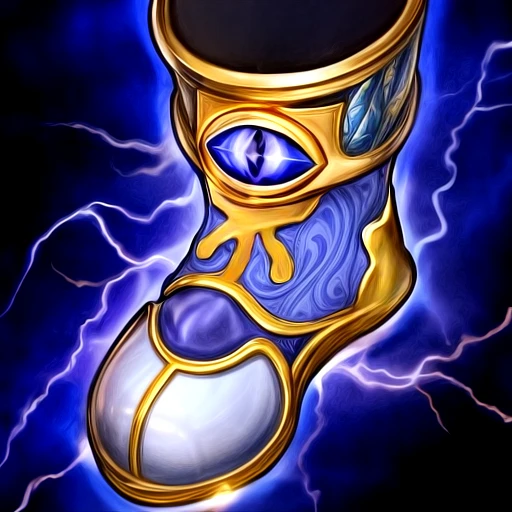
Sorcery BootsVisual

Starscribe BootsVisual
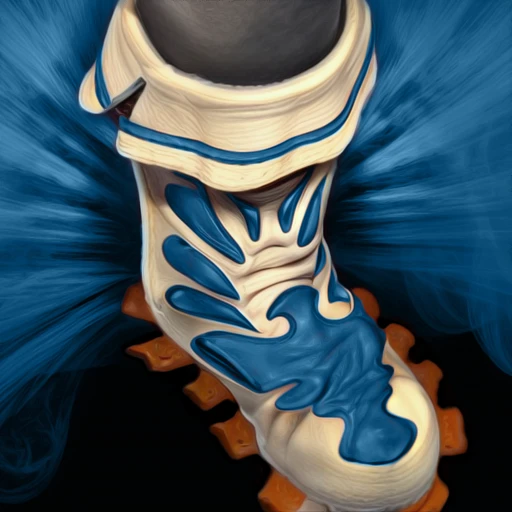
SteambootsGameplay
Interface & Quality of Life
New option: Inventory Drag & Drop
A new Enable Inventory Drag & Drop toggle has been added to the Interface section of the options (enabled by default), for players who kept moving items around by accident.
Fixes
Audio
Stability
This patch lands 51 individual crash fixes, the result of a systematic sweep rather than a reaction to any single report. Grouped by what they affect:
Rendering and models
Shader and shader-cache handling, decals, reflections, terrain caching, texture and bitmap conversion, model mesh and skeleton validation, and font glyph handling. One of these also fixed meshes deforming against the wrong bones after a model failed to load, which showed up as badly distorted units rather than a clean crash.
Particles and effects
Particle pool allocation, per-scene particle lists, embedded emitter lifetimes, and interface effect actions.
Interface
Widget teardown, visibility cycles and event dispatch, the minimap, hero select and lobby state, saved selection data, key binding and console handling, and text input for IME (non-Latin) keyboards.
In-match entities
Client entity lifecycle, unit attachments, snapshot entity allocation, neutral camp spawns, tree destruction with no attacker, and units whose controller outlived them.
Files, archives and the updater
Archive and ZIP64 bounds checking, loose-file buffer ownership, XML parsing, UTF-8 decoding, number formatting, CPU feature detection for checksums, directory monitoring, and the updater’s download handling.
Networking and services
Lifetime and callback tracking across the streaming and unary service connections, the lobby service, and replay diagnostics. These were the ones most likely to take the client down during matchmaking or when a match ended.
Diagnostics
[Server] When a game server and a client disagree about match state, the log now reports what actually went wrong - the server involved, the failure category, the entities and frames concerned - instead of a generic "modified files" warning that sent players chasing a file repair that was never the cause. Replay errors are now worded separately from live-match ones.